 KnightJewel Hub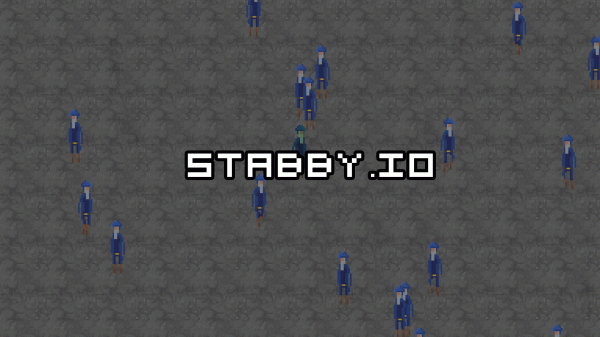
Covert Observer: Social Deduction
Reviews
Covert Observer offers a refreshing take on multiplayer strategy by focusing on mental skills rather than fast reflexes. The day and night phases add meaningful variety, forcing you to adjust your approach each round. Reading other players' behavior feels rewarding, and the clean, non-violent presentation makes it accessible to a broad audience. While the lack of communication tools may feel limiting to some, it strengthens the core gameplay loop. This is a solid choice for anyone who enjoys thoughtful, low-pressure competition.
About This Game
Core Gameplay Loop
Covert Observer places you in a social setting where your main task is to figure out who else is a real person. Each round begins with a group of characters moving around a shared space. Some are controlled by other players, while the rest follow predictable patterns. Your goal is to separate the two groups without drawing attention to yourself. The game uses a simple point-and-click interface, letting you move your character and interact with the environment. Success comes from reading subtle cues in movement and behavior, not from quick reactions.
Day and Night Phases
The game alternates between two distinct periods that change your available options. During the light phase, you can freely explore the map and watch how others behave. This is the time to gather information and form theories about who might be a real opponent. When darkness falls, the rules shift. You gain the ability to act more covertly, making it easier to eliminate suspected players without being noticed. Each phase requires a different approach, keeping the gameplay fresh from round to round.
Reading Player Behavior
The heart of the experience lies in interpreting how characters move. Real players tend to show purposeful actions, like changing direction suddenly or pausing near objects. Non-player characters follow more repetitive routes. You learn to spot these differences over time. The game does not provide any direct hints, so you must rely entirely on your own judgment. This makes every match a test of your ability to notice small details and draw accurate conclusions from limited information.
Strategic Decision Making
Acting too soon can reveal your identity and lead to elimination. The game encourages a measured approach where you weigh each move carefully. You might choose to follow a suspect for several turns before making a decision. Alternatively, you could set up situations that force others to reveal themselves. There is no single correct strategy, and successful players adapt their tactics based on what they observe. The unpredictable nature of human opponents ensures that no two rounds play out the same way.
Family-Friendly Environment
Covert Observer is designed to be accessible to a wide audience. There is no graphic content, and the challenge comes from mental effort rather than violence. The visual style is clean and simple, focusing attention on character movements and the game board. This makes it suitable for players of different ages who enjoy puzzles and strategic thinking. The lack of intense or frightening elements means it can be played in a relaxed setting without causing discomfort.
Browser-Based Accessibility
No downloads or installations are required to play. The game runs directly in a web browser, making it easy to start a match from almost any device with an internet connection. This convenience lowers the barrier to entry, allowing you to jump into a game quickly. The free-to-play model means there are no costs involved, and you can play as many rounds as you like without any restrictions. This approach makes the game ideal for casual sessions or longer play periods.








Comments
0 comments