 KnightJewel Hub
Peak Trail Bike Challenge
Reviews
Peak Trail Bike Challenge stands out for its focus on realistic bike physics in an arcade package. The varied track designs keep each race fresh, while the local multiplayer mode adds replay value. The gradual difficulty curve ensures both beginners and veterans can find their pace. Bike customization offers meaningful choices without overwhelming the player.
About This Game
Track Design & Terrain Variety
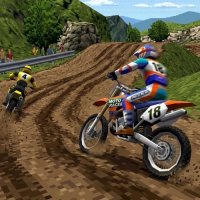
The circuits in Peak Trail Bike Challenge span several distinct environments, each presenting its own set of obstacles. Rocky mountain paths require careful line selection to avoid losing momentum on loose gravel. Sandy desert tracks test your ability to maintain speed through soft terrain where traction is limited. These landscapes are not merely cosmetic; they directly influence how your bike handles, forcing you to adjust your riding style for each race.
Bike Handling & Physics Model
Success depends on mastering the game's physics-based control system. Leaning your rider forward helps climb steep ascents, while shifting backward prevents the front wheel from lifting on descents. Sharp turns demand a combination of braking and body positioning to avoid skidding out. This emphasis on balance makes every race a test of reflexes and coordination, rewarding players who learn to anticipate the bike's reactions.
Competition Modes
Two primary modes are available for racing. Single-player mode pits you against AI-controlled opponents across a series of events, with difficulty increasing as you progress. Local multiplayer allows a second player to join using a separate set of keys, turning each race into a direct head-to-head contest. This split-screen style competition is ideal for playing with friends in the same room.
Vehicle Selection & Customization
A garage of trail bikes is available, each with distinct performance attributes. Some bikes accelerate quickly but may be less stable at high speeds, while others offer better handling on rough terrain. Players can earn rewards by finishing races, which can be spent to unlock new bikes and apply visual modifications. This system encourages experimentation to find the best setup for each track.
Progression & Difficulty Curve
The game gradually introduces more challenging tracks and faster opponents. Early races focus on basic control and simple layouts, allowing newcomers to learn the physics without frustration. Later events combine complex terrain with tighter time limits, providing a satisfying challenge for experienced racers. This structured progression ensures that players of different skill levels can find an appropriate level of difficulty.



Comments
0 comments