
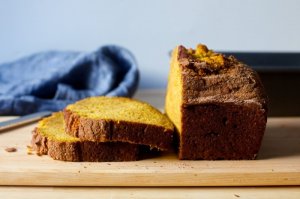
In a season when pumpkin spice has become shorthand for overhyped autumn marketing, one food writer has set out to reclaim the humble pumpkin loaf. The result is a taller, tenderer bread crowned with a crackly cinnamon-sugar crust that evokes a snickerdoodle cookie. The recipe, developed after a series of tweaks, aims to satisfy both pumpkin skeptics and devotees of the classic quick bread.
The inspiration came after the author shared a photo of homemade pumpkin bread on Snapchat and received an overwhelming number of requests for the recipe. Surprised by the interest—given the ubiquity of pumpkin bread—she began to scrutinize the standard versions. Several common recipes, she notes, fail to fill a standard loaf pan completely, leaving bakers with a shorter loaf than they might want. Others rely heavily on brown sugar, which lends a uniform brown color but not necessarily a richer flavor. And while the interior of most pumpkin breads is moist and tender, the tops rarely offer any textural contrast.
Another practical issue: a standard 15-ounce can of pumpkin puree contains 1¾ cups, yet most recipes call for only 1 cup, leaving a small but annoying surplus. To avoid waste, the author scaled up the other ingredients to use the full can, which also contributed to a more substantial loaf. The final formula uses 1½ cups of puree, and the extra moisture is balanced by a longer baking time—65 to 75 minutes—and a single turn of the pan for even browning.
The signature feature is the topping: a simple mixture of granulated sugar and ground cinnamon sprinkled over the batter before baking. As the loaf bakes, the sugar melts and then sets into a crisp, crackly lid that can be picked off in shards—much like the top of a snickerdoodle cookie. The author suggests cooling the bread completely in the pan to help the topping adhere, and recommends storing it with the cut end covered but the top exposed to preserve the crunch.
Why This Version Stands Apart
Beyond the topping, the recipe distinguishes itself in a few ways. It uses white sugar rather than brown, which keeps the crumb a more traditional golden color. The spice blend includes cinnamon, nutmeg, ginger, and a pinch of cloves—measured in heaping quarters and two pinches, respectively—giving a warm, aromatic flavor without overwhelming the pumpkin. The batter is mixed by hand, first whisking the wet ingredients, then sprinkling the leaveners and spices over the top before stirring in the flour. This method, the author notes, ensures even distribution without overmixing.
The recipe also addresses the common problem of underbaked centers. The author advises testing the loaf with a skewer in several places, not just the center, because pockets of raw batter can hide near the top. With a total time of about 90 minutes, the bread yields eight generous servings and keeps at room temperature for several days—if it lasts that long.
The author's broader point is a gentle rebuke to the food world's tendency to dismiss beloved classics. While pumpkin spice may have become a punchline—criticized by figures like Alton Brown and food publications such as Eater and The Washington Post—the pumpkin itself deserves better. This loaf, with its snickerdoodle-inspired crust and full-can usage, offers a way to enjoy the season's favorite gourd without the clichés.
For those ready to move past pumpkin spice fatigue, this recipe provides a practical, satisfying alternative. It also serves as a reminder that sometimes the best improvements come from small, thoughtful adjustments—like using the whole can and adding a crunchy top.
Comments
Sign in to leave a comment
No account? Create one
No comments yet.